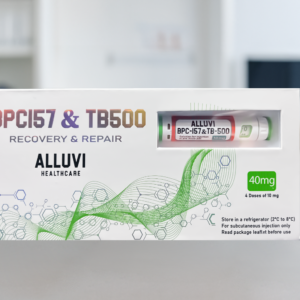
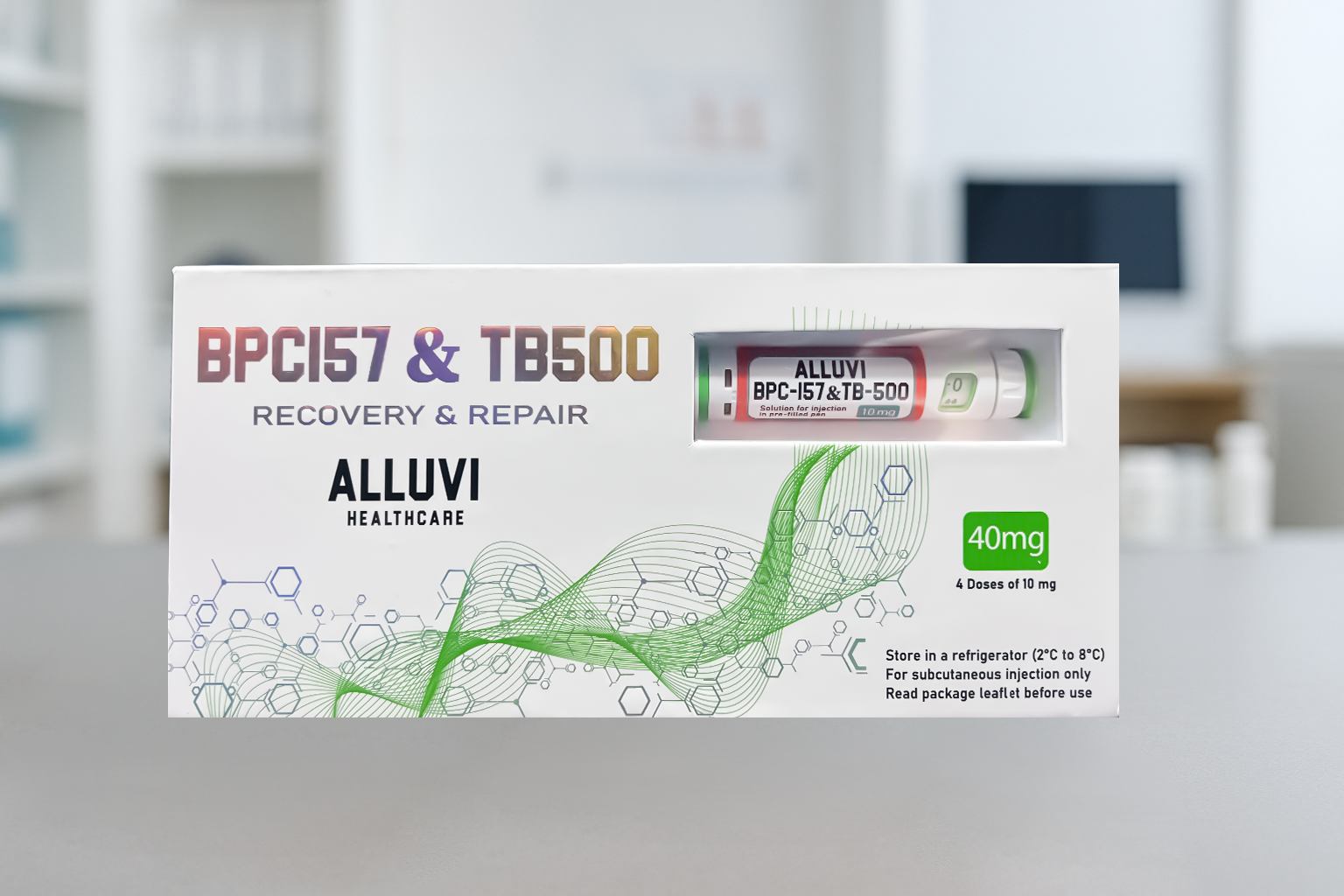
Buy BPC-157 & TB-500 40mg peptide high purity online ALLUVI
BPC-157 and TB-500 are experimental peptides often discussed in fitness and recovery communities for their potential roles in tissue repair and inflammation modulation. Despite online interest, both compounds remain unapproved for human use and are primarily limited to preclinical or laboratory research.
What Are These Peptides?
BPC-157
Derived from a protein found in gastric juice, BPC-157 is being studied for:
- Tissue repair mechanisms
- Gastrointestinal healing pathways
- Angiogenesis (blood vessel formation)
TB-500
A synthetic version of a fragment of thymosin beta-4, TB-500 is investigated for:
- Cell migration and regeneration
- Muscle and tendon recovery
- Anti-inflammatory effects
While early data is promising, most evidence comes from animal or lab studies, not large-scale human trials.
Legal Status in the UK
In the United Kingdom:
- Neither peptide is approved by the MHRA
- They are not licensed medicines
- They cannot be legally marketed for human consumption
Products labelled “research use only” are not regulated for safety, dosing, or clinical use.
Risks of Unregulated Products
Searching terms like “buy BPC-157 TB-500 40mg” often leads to unverified sellers. Potential risks include:
- Unknown purity or contamination
- Incorrect or inconsistent dosing
- Lack of sterile manufacturing standards
- No clinical safety data in humans
- Mislabelled or counterfeit products
Because these compounds are not regulated medicines, there is no guarantee of quality or safety.
Why These Peptides Are Popular Online
Interest has grown due to:
- Reports of faster recovery in experimental settings
- Fitness and bodybuilding community discussions
- Social media exposure and anecdotal claims
However, anecdotal evidence is not a substitute for clinical approval or safety validation.
Evidence and Research Limitations
Current research on BPC-157 and TB-500 is limited by:
- Lack of large human clinical trials
- Unclear long-term safety
- No standardized dosing guidelines
- Limited regulatory oversight
This makes real-world use unpredictable and potentially unsafe.
Safer, Evidence-Based Alternatives
For recovery, injury support, or performance improvement, regulated options include:
Medical care and rehabilitation
- Physiotherapy
- Sports medicine consultation
- Injury-specific treatment plans
Approved therapies
- Anti-inflammatory medications (when prescribed)
- Regulated regenerative therapies where available
Lifestyle strategies
- Proper nutrition (protein intake, micronutrients)
- Sleep and recovery optimisation
- Structured training programmes
These approaches are clinically supported and far safer.
Why Medical Guidance Matters
Any therapy affecting healing, inflammation, or recovery should be supervised by qualified professionals. In regulated care:
- Diagnosis is accurate
- Treatment is evidence-based
- Risks are monitored
- Outcomes are measurable
This is essential compared to unverified peptide use.
Final Thoughts
BPC-157 and TB-500 remain experimental compounds, not approved medicines. While online demand continues to grow, there is no legal or safe way to purchase them for human use, and products sold online may pose significant health risks.
Focusing on regulated treatments, professional medical advice, and proven recovery strategies remains the safest and most effective approach.