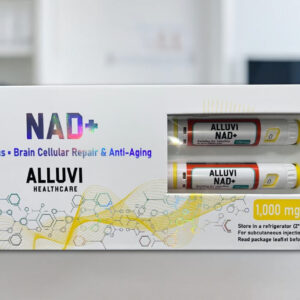

AVLS Retatrutide 20mg: Scientific Overview and Current Clinical Research
AVLS Retatrutide 20mg refers to a formulation of retatrutide, an investigational medicine currently being evaluated in clinical research for metabolic diseases. Retatrutide has attracted significant scientific interest because it is designed to activate three hormone receptors involved in regulating glucose metabolism, appetite, and energy balance: the glucagon-like peptide-1 (GLP-1) receptor, the glucose-dependent insulinotropic polypeptide (GIP) receptor, and the glucagon receptor.
This page provides educational information about retatrutide based on current scientific literature. It is not intended to promote the use of investigational medicines or replace advice from qualified healthcare professionals.
What Is AVLS Reta?
Reta is a synthetic peptide under clinical investigation for potential use in metabolic disorders. It belongs to a class of experimental medicines known as triple receptor agonists, reflecting its activity at GLP-1, GIP, and glucagon receptors.
Researchers are studying whether simultaneous activation of these pathways may influence appetite regulation, glucose homeostasis, insulin secretion, and energy expenditure. The medicine continues to undergo evaluation in controlled clinical trials.
Mechanism of Action
Reta has been designed to interact with three distinct biological pathways:
- GLP-1 receptors, which contribute to glucose-dependent insulin secretion and appetite regulation.
- GIP receptors, which participate in glucose metabolism and pancreatic function.
- Glucagon receptors, which are involved in energy expenditure and metabolic regulation.
The combined activation of these receptors distinguishes retatrutide from therapies that target only one or two incretin pathways.
Current Areas of Research
Clinical investigators continue to study retatrutide in relation to:
- Obesity
- Type 2 diabetes
- Weight management
- Metabolic syndrome
- Cardiometabolic health
- Long-term safety
- Treatment tolerability
- Clinical outcomes
Results from ongoing trials will continue to inform future regulatory decisions and clinical practice.
Clinical Development
Reta has been evaluated in multiple clinical studies involving adults with obesity and metabolic disorders. Investigators continue to assess appropriate dosing strategies, adverse event profiles, efficacy endpoints, and long-term outcomes. Until regulatory review is complete, its benefit-risk profile remains under evaluation.
Safety Considerations
Because retatrutide remains investigational in many jurisdictions, healthcare professionals should rely on current clinical evidence, regulatory guidance, and approved prescribing information where applicable. Potential adverse effects, contraindications, and interactions continue to be assessed through clinical research.
Individuals should not use investigational medicines except within appropriate regulatory frameworks or approved clinical research settings.
Regulatory Information in the uk Union
Within the European Union, medicinal products must undergo scientific evaluation before marketing authorisation. Availability, approved indications, prescribing requirements, and reimbursement policies may differ between EU Member States.
Patients should consult qualified healthcare professionals and obtain medicines only through authorised healthcare providers and pharmacies operating in accordance with applicable European and national regulations.
Educational Disclaimer
This information is provided solely for educational purposes and summarises the current scientific understanding of retatrutide. It should not be interpreted as medical advice, treatment guidance, or an endorsement of any product. Clinical evidence continues to evolve, and healthcare decisions should always be made in consultation with qualified medical professionals and based on official regulatory information.